


Hybrid Physics-Guided And Data-Driven Attribution and Uncertainty Quantification of Coastal Extremes Incorporating Different Sources of Information
This project seeks to uncover the key factors driving extreme coastal flooding in Singapore. By integrating physics-based modelling with data-driven methods, it aims to deliver detailed insights into the causes and uncertainties of coastal extreme events — helping PUB, Singapore’s National Water Agency, enhance its long-term risk mitigation strategies.
Research Goals
-
Develop a hybrid physics-guided and data-driven framework to attribute and analyse coastal extreme events.
-
Predict joint probabilities of extreme sea levels and wave conditions while quantifying uncertainties through statistical confidence intervals.
-
Build stochastic climate emulators to simulate extensive ensembles of future climate scenarios.
Why This Matters
-
Provides reliable statistical estimates of extreme sea levels and wave conditions, with projections extending to 10,000-year return periods.
-
Enables scientific quantification of uncertainties, supporting more accurate forecasts of coastal hazards.
-
Offers new insights into regional climate impacts and global sea-level rise, guiding national strategies and policy decisions for coastal resilience.
Latest Research Highlights
- Advancing reliable predictions of ultra-extreme coastal processes (e.g. extreme wave condition) by combining Bayesian updating with statistical and physical modelling across South China Sea and around Singapore.
- An initial mechanistic analysis of how atmospheric pressure, wind-driven waves, and tidal currents jointly influence extreme water levels in coastal events is provided by fully-coupled COAWST simulations.
- A graph-based causal inference framework is developed to investigate the causality of extreme water levels.
Meet the Team
Meet the researchers driving the Hybrid Physics-Guided and Data-Driven Attribution and Uncertainty Quantification of Coastal Extremes project — applying cutting-edge physics-based and data-driven methods to improve predictions of extreme coastal conditions and strengthen Singapore’s resilience.

Principal Investigator (PI):
Associate Professor Low Ying Min
National University of Singapore, Department of Civil and Environmental Engineering, College of Design and Engineering
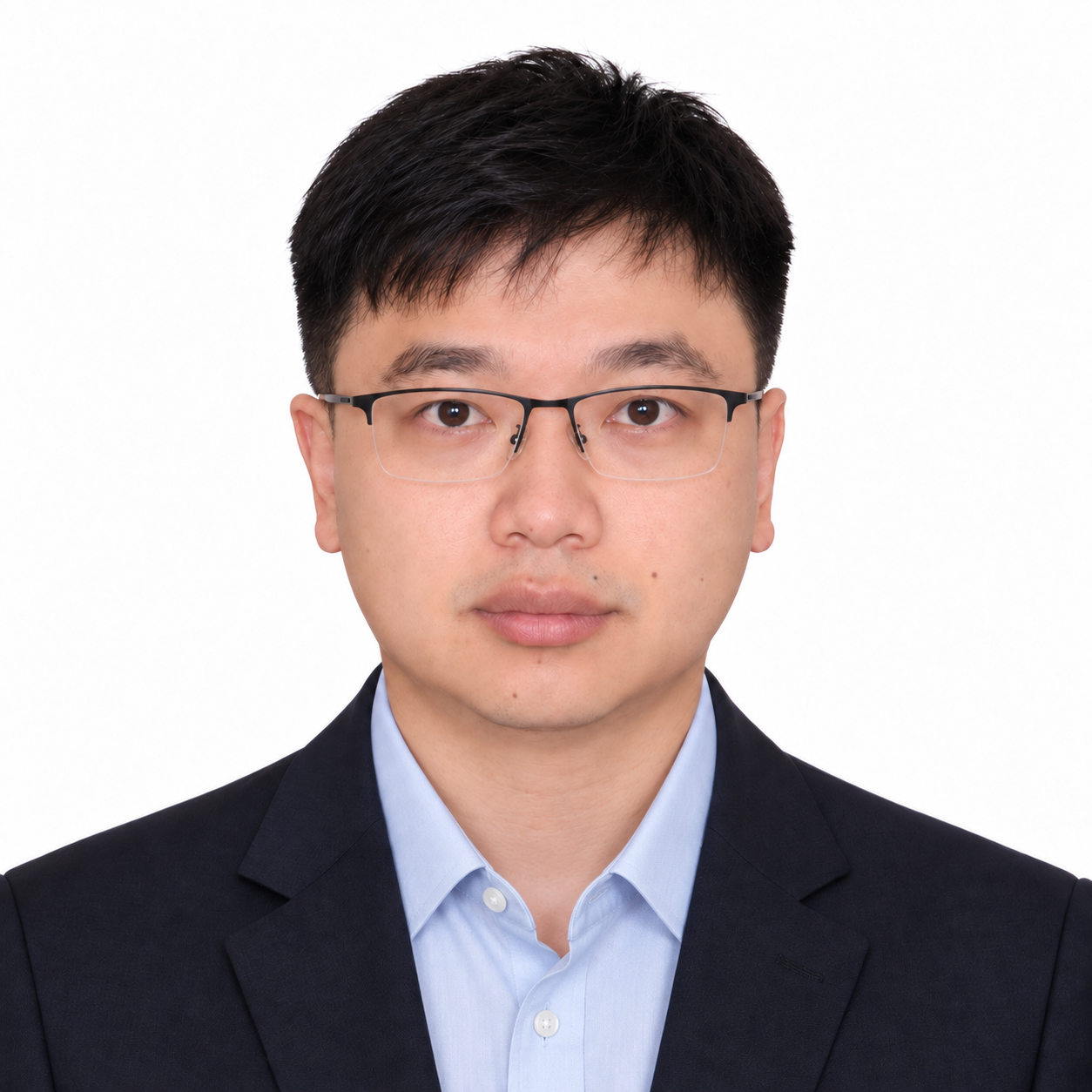
Senior Research Fellow:
Dr Shi Yang
National University of Singapore, Department of Civil and Environmental Engineering, College of Design and Engineering
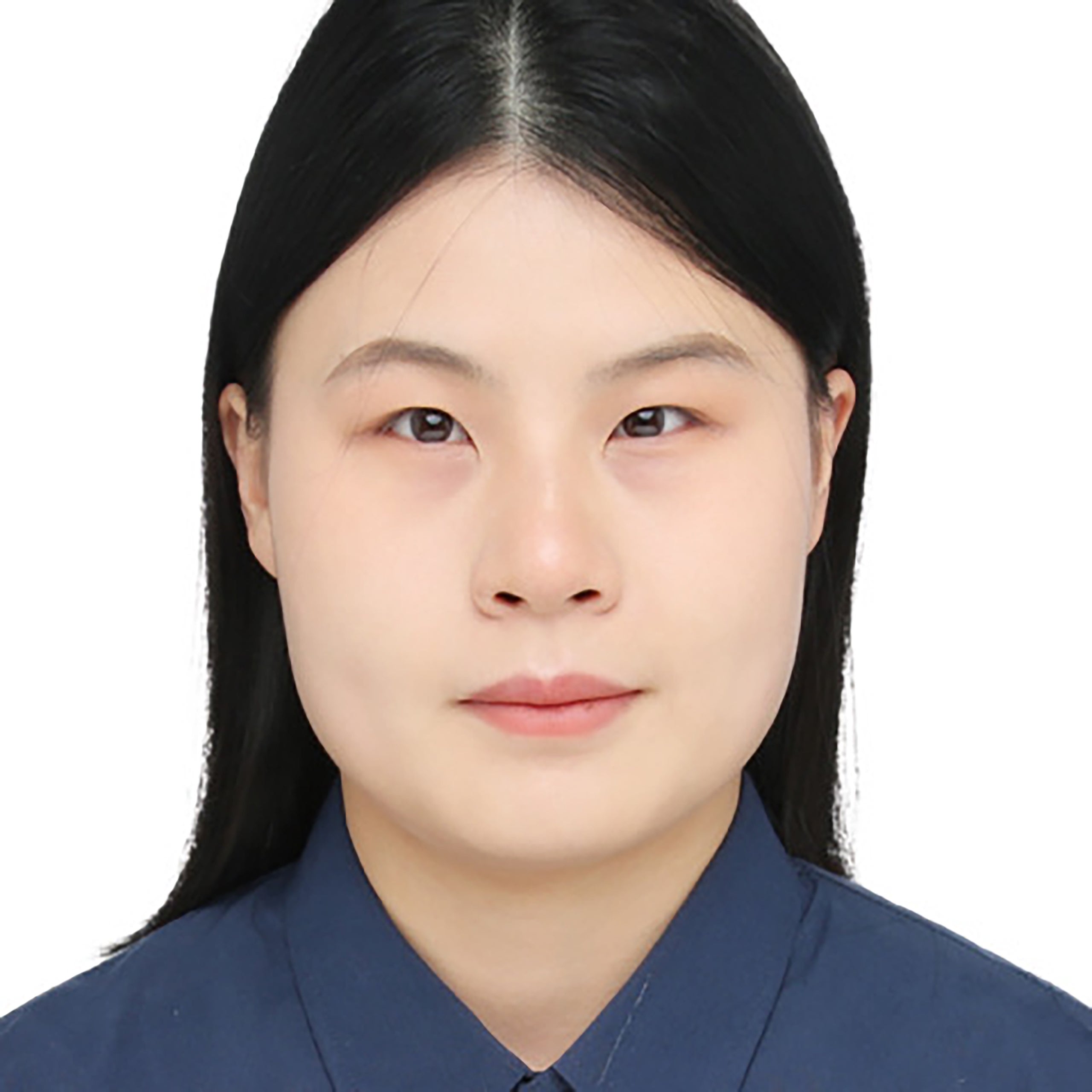
Research Fellow:
Dr Jiang Qin
National University of Singapore, Department of Civil and Environmental Engineering, College of Design and Engineering

Research Fellow:
Dr Kim Sunghun
National University of Singapore, Department of Civil and Environmental Engineering, College of Design and Engineering

PhD Student:
Ms Gao Xinge
National University of Singapore, Department of Civil and Environmental Engineering, College of Design and Engineering
More Projects from the H1 Domain
Explore other ongoing research initiatives under the Coastal Protection and Flood Resilience Institute (CFI) that advance Singapore’s resilience to sea-level rise, extreme weather, and coastal flooding.



Download CFI's project booklet for more information on each project
CFI Singapore Tranche 1 and 2
If you wish to reach out regarding a specific project, please email CFI Singapore at cfisg@nus.edu.sg