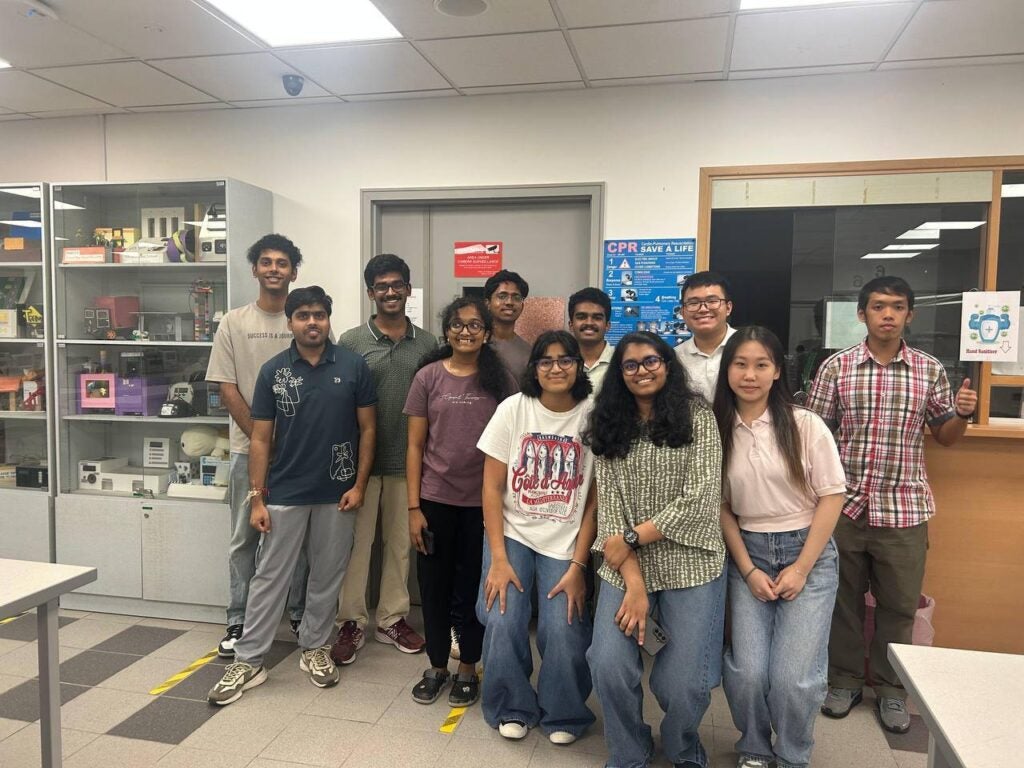
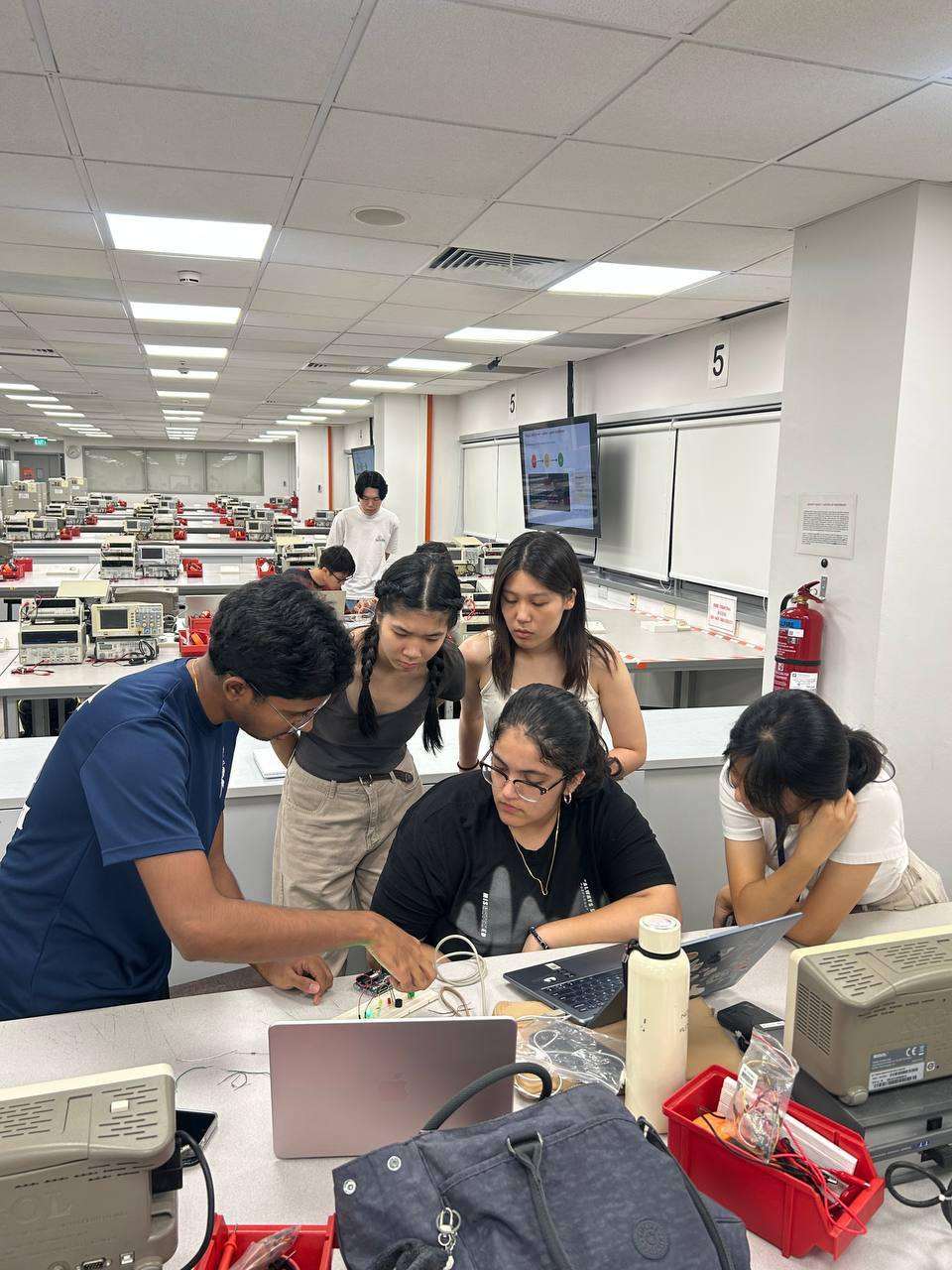
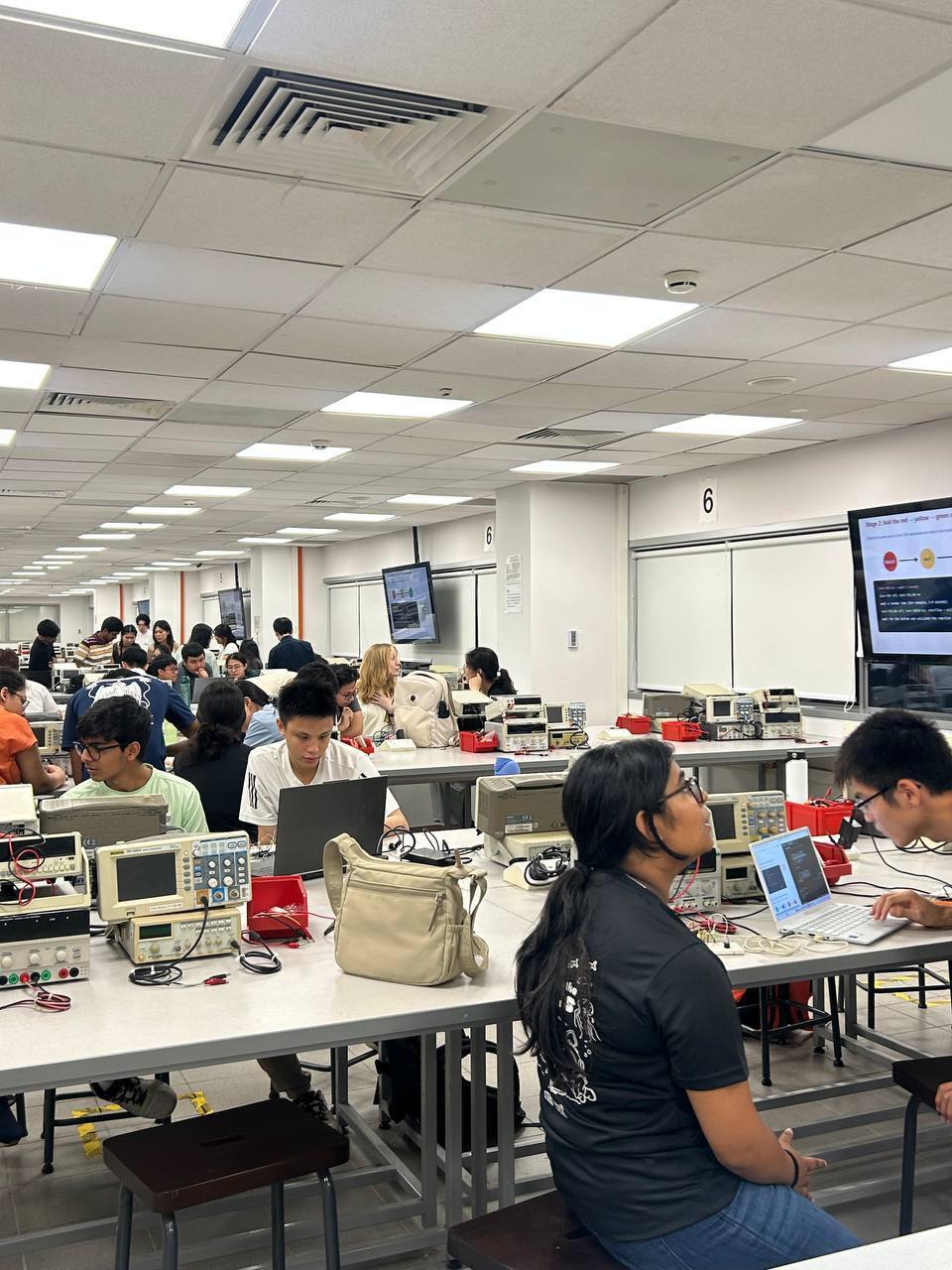
Session 1 — Soldering and Circuit Fault-Finding
Wednesday, 26 August 2026 | 6.30pm–8.30pm
The training series began with two essential skills in electronics repair: soldering and circuit fault-finding. Members worked with basic LED circuits and learned to identify common faults, including poor solder joints, incorrect component orientation and breaks in electrical continuity. To put their new skills into practice, participants also soldered their Bitscraps keychains, assembling a functional LED memento to take home. For many members, the session was their first experience using a soldering iron, providing an accessible introduction to hands-on electronics work. Long pants and covered shoes were required throughout the session in accordance with laboratory safety requirements.
Session 2 — Arduino Basics and Reaction Timer Build
Wednesday, 2 September 2026 | 6.30pm–8.30pm
The second session introduced members to the programming side of electronics through an Arduino-based reaction timer. Participants learned the fundamentals of the Arduino platform before assembling and programming their own reaction timers. Members who progressed more quickly extended their projects with features such as false-start detection and audio feedback using a piezo buzzer. Beyond building the device, the session introduced members to an important troubleshooting workflow: reading a circuit, writing code to control it, testing the system and debugging when the hardware and software did not behave as expected. These skills provide a useful foundation for diagnosing faults in electronic devices. The session concluded with a reaction time tournament, where members put their completed builds to the test.
Session 3 — Laptop Teardown and Troubleshooting
Wednesday, 9 September 2026 | 6.00pm–7.00pm and 7.15pm–8.15pm
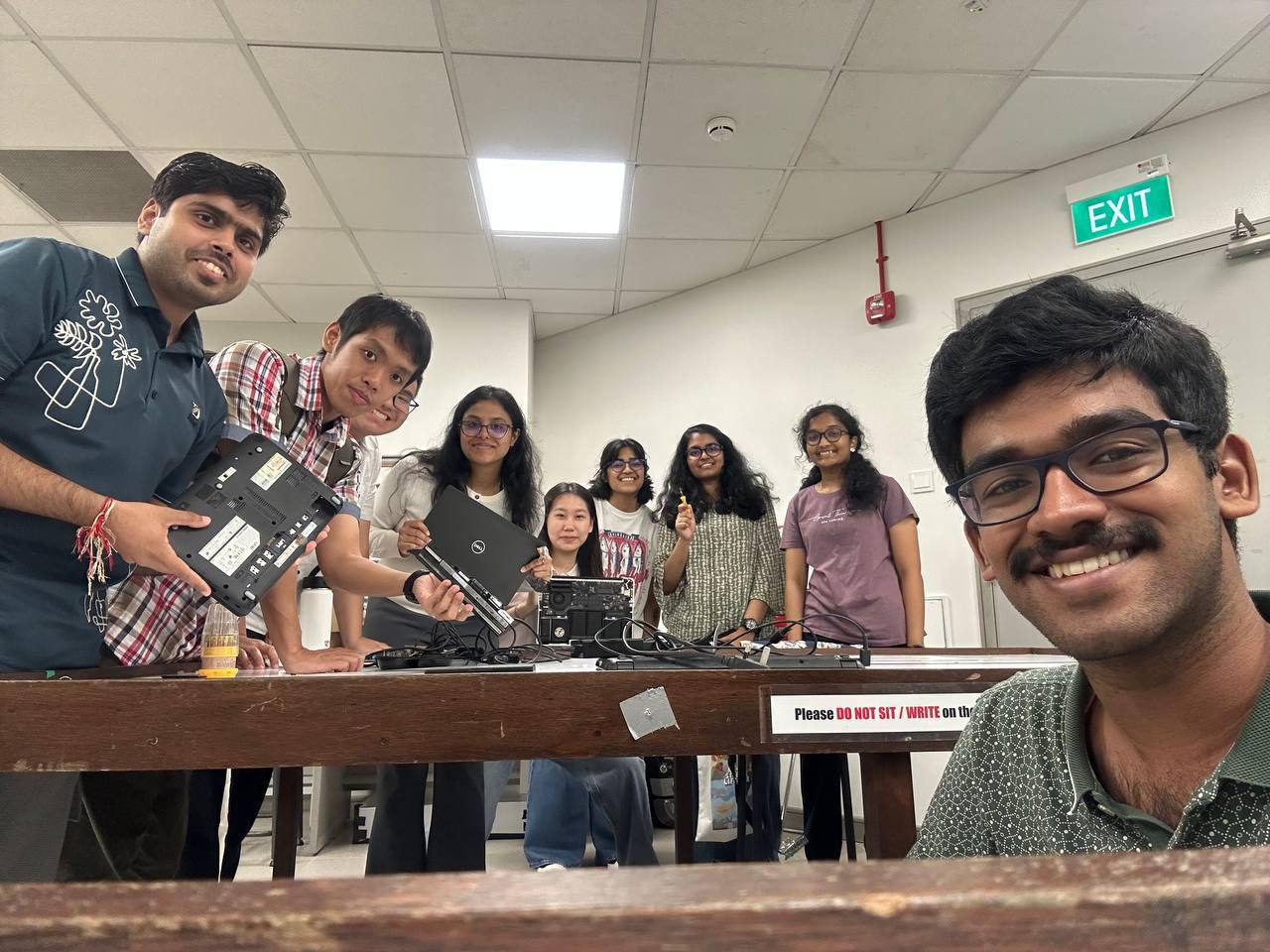
The final session brought members closer to the practical work of electronics repair through a hands-on laptop teardown and troubleshooting workshop. Members learned how to safely disassemble a laptop, identify its key internal components and understand how the different parts work together as a system. They were then introduced to common laptop issues and a basic framework for diagnosing faults that can potentially be addressed through repair. A short quiz at the end of the session allowed members to test their understanding, with prizes awarded to the top performers.
Putting Skills into Practice
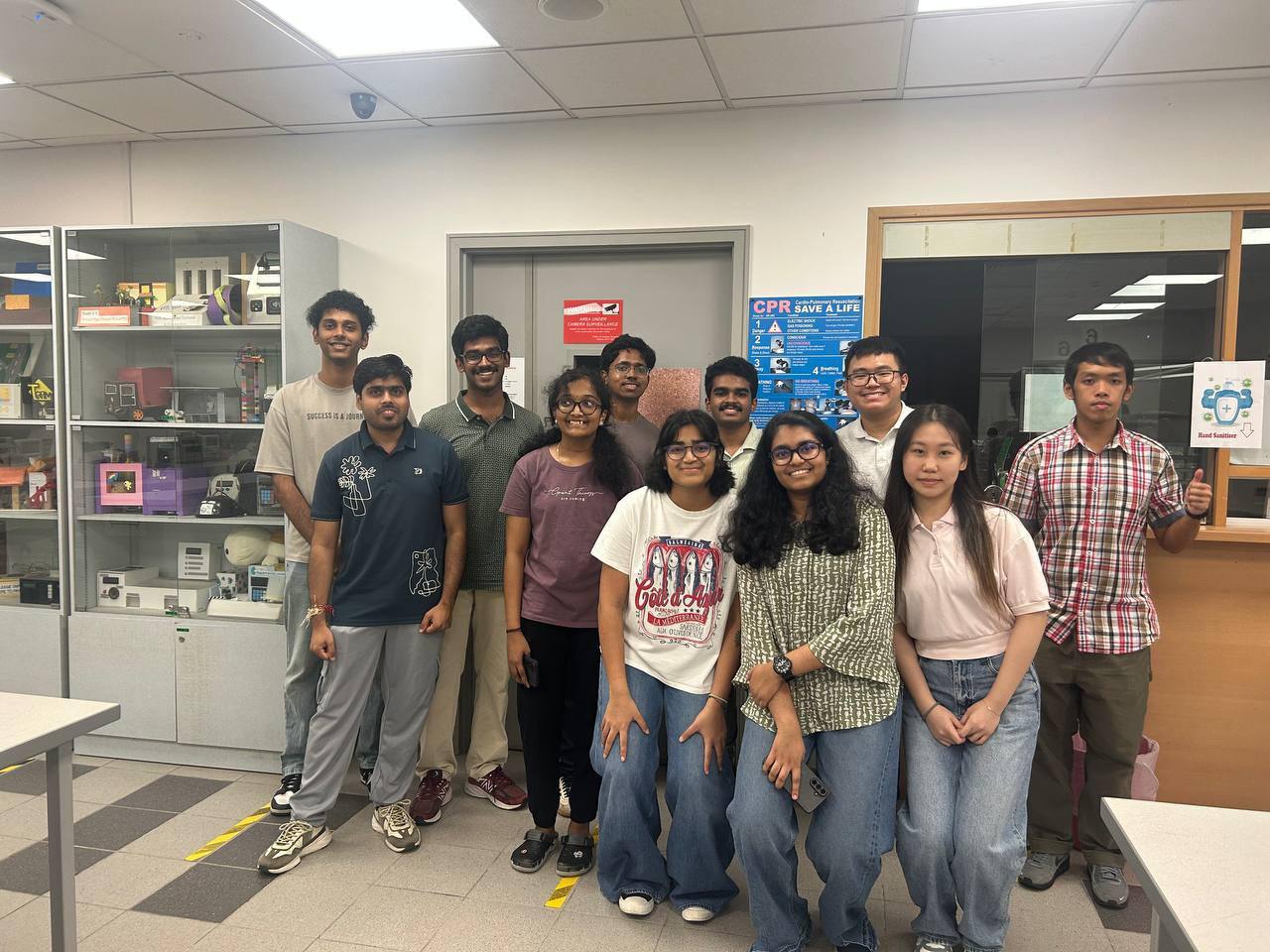
Across the three sessions, members progressed from learning their first soldering techniques and diagnosing simple circuits to programming functional electronic devices and confidently disassembling a laptop. The training now provides a foundation for Bitscraps’ repair sessions after recess week, where members will apply these skills to real-world electronics repair and troubleshooting. Through continued hands-on learning and repair activities, the club looks forward to helping members develop practical electronics skills while making a meaningful contribution to a more sustainable approach to electronic devices.